

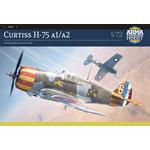
Curtiss H-75 A1/A2
ARMA70093
ARMA HOBBY
1:72
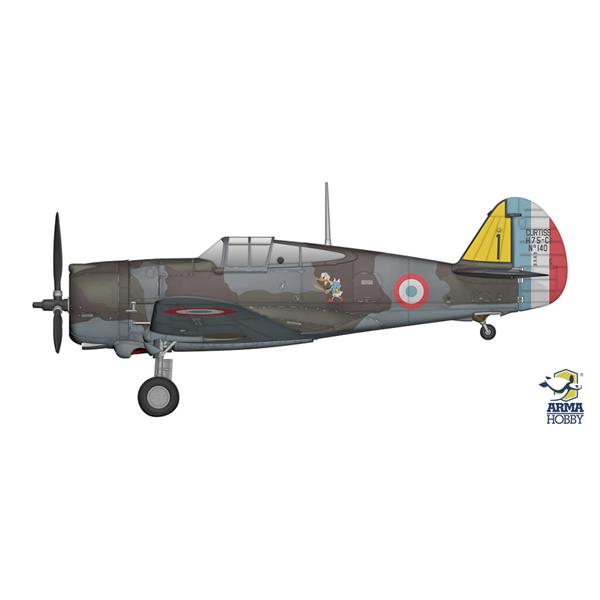
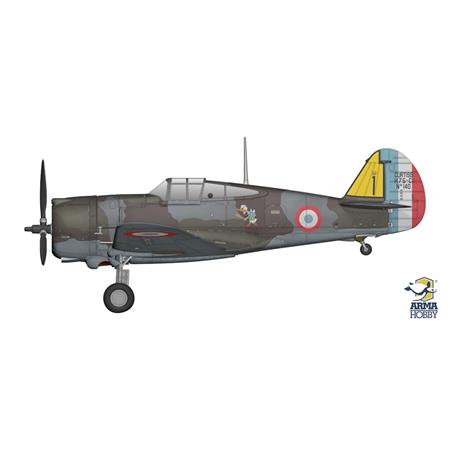
The Curtiss H-75A entered French service as part of an effort to strengthen the Armée de l’Air in the face of the growing threat of war. Agile, rugged and well liked by its pilots, it proved a formidable opponent for the Luftwaffe during the 1940 campaign. Among the aircraft in service at the time was H-75A-1 No. 140, operated by the fighter training centre at Chartres.
The defeat of France did not end the Curtiss’s career. Some remained with units under Vichy control, particularly in North Africa. There, in November 1942, Operation Torch produced an extraordinary situation: French Hawks built in the United States took off to fight American aircraft.
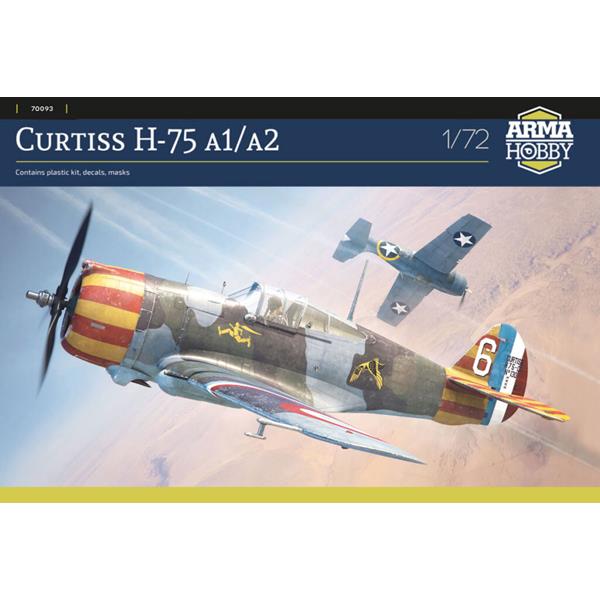
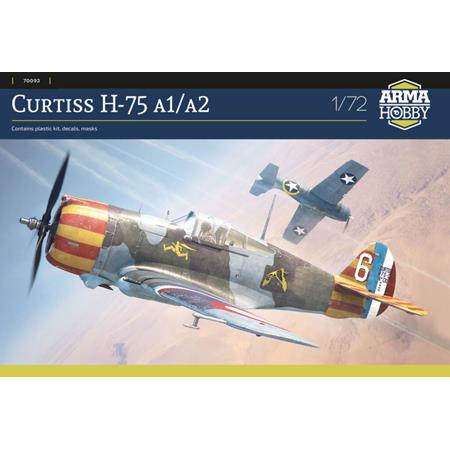
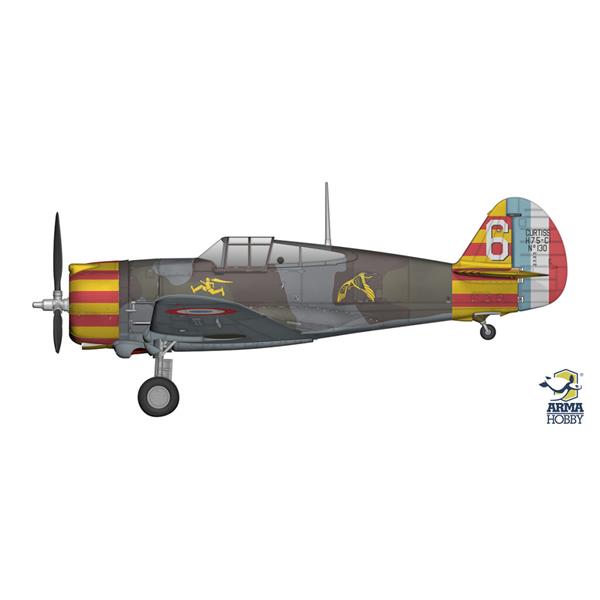
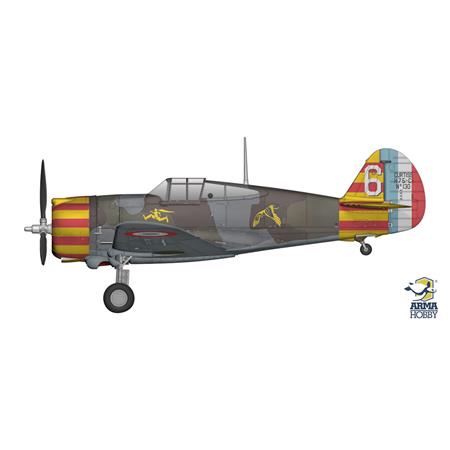
On the morning of 9 November, eight F4F-4 Wildcats of VF-9 attacked French fighters escorting bombers. In the ensuing dogfight, Ens. Louis A. Menard, flying F4F-4 9-F-15, BuNo 11762, made an overhead attack on one of the H-75s. His gunfire struck the French fighter around the cockpit and rear fuselage. Menard’s opponent was most probably H-75A-1 No. 130 of 2e Escadrille, GC I/5, flown by Georges Tesseraud – the aircraft depicted on the box art of this kit. Although badly wounded, Tesseraud managed to disengage in his damaged aircraft and make a forced landing near Bouhat.
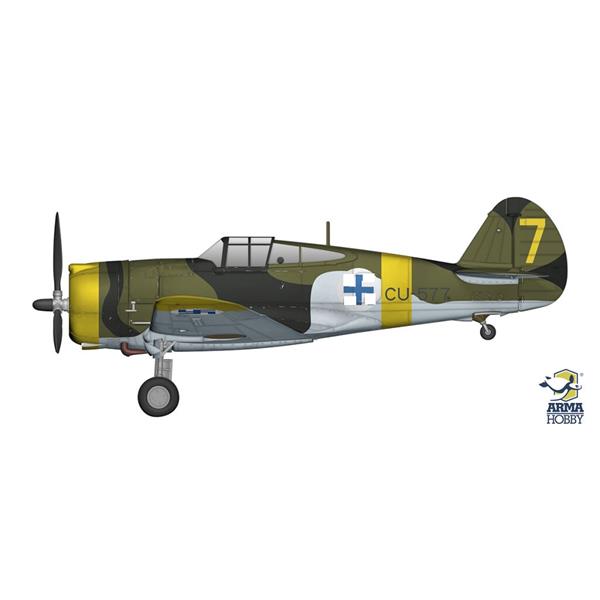
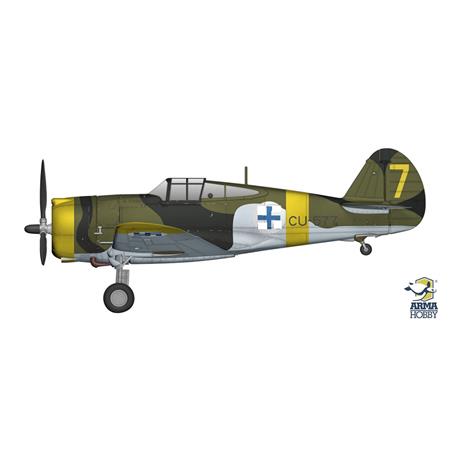
A different fate awaited the Curtisses captured by the Germans after the fall of France. Some were subsequently transferred to Finland, where they returned to front-line service. One of these was CU-577, operated by LeLv 32 in 1943 and flown, among others, by Ltn. P. Virtalahti. Thus, H-75s originally ordered to defend France before the war continued their service under very different political circumstances and on widely separated fronts.
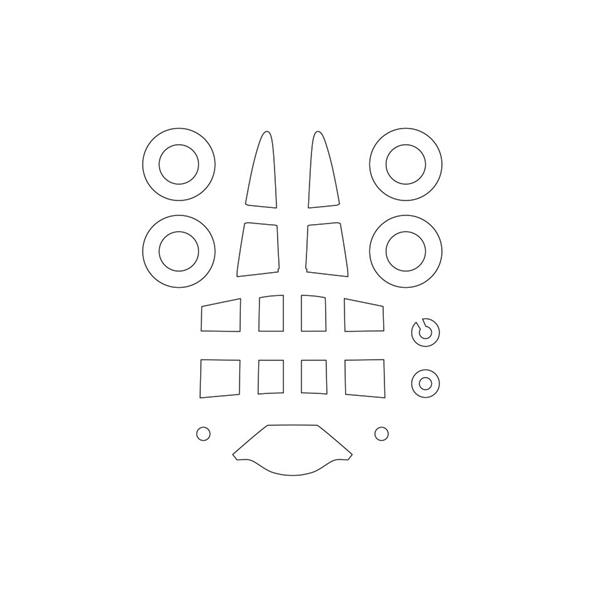
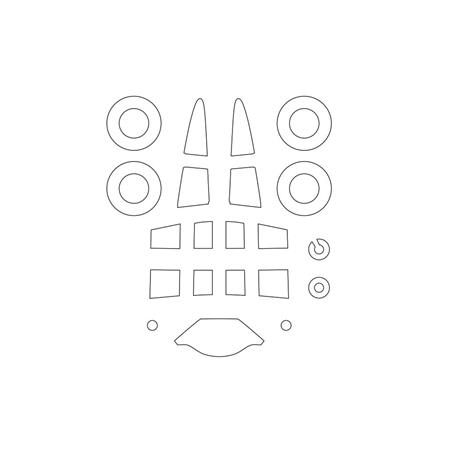
- Paint masks
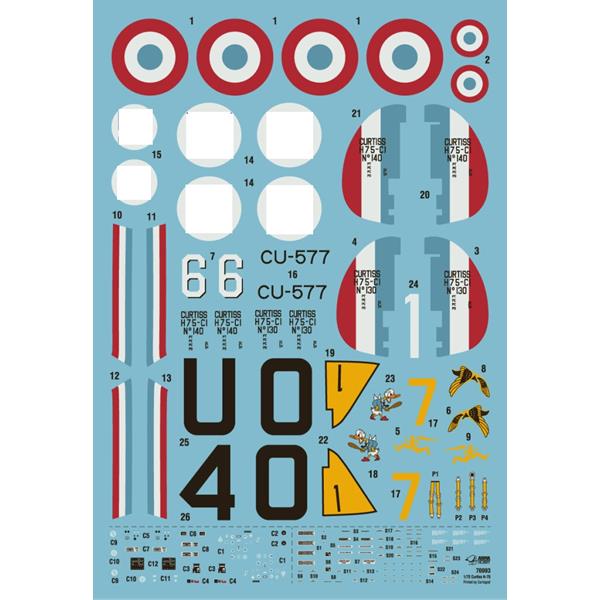
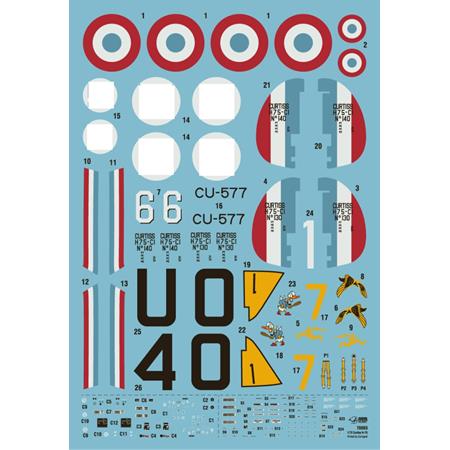
- Decals with 3 marking options
- Free 3D file for self-printing - QR code and link in the assembly instructions
unbuilt / unpainted
Paint and glue not included
Schreiben Sie jetzt Ihre persönliche Erfahrung mit diesem Artikel und helfen Sie anderen bei deren Kaufentscheidung