

Duke Hawkins: Dassault Rafale
Item Number:
DH-045
DH-045
Manufacturer
H.M.H.
H.M.H.
Please login here to see Prices.
Out of Stock
Article is coming
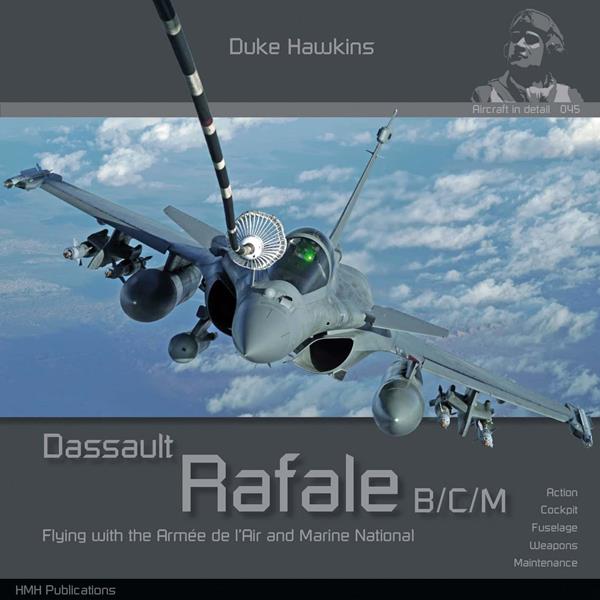
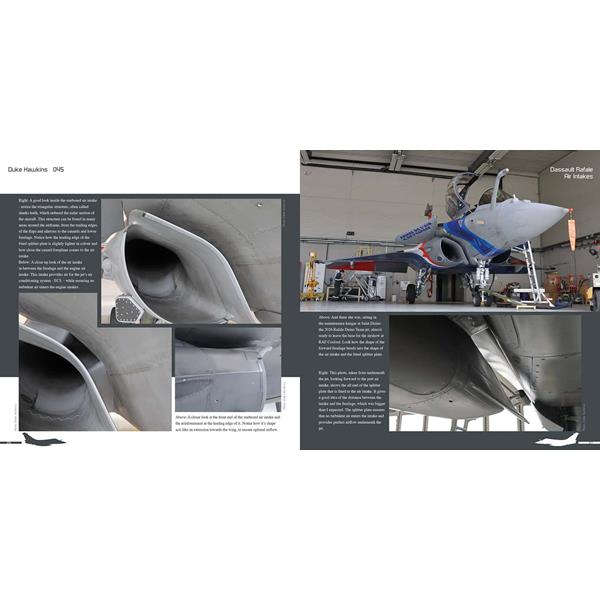
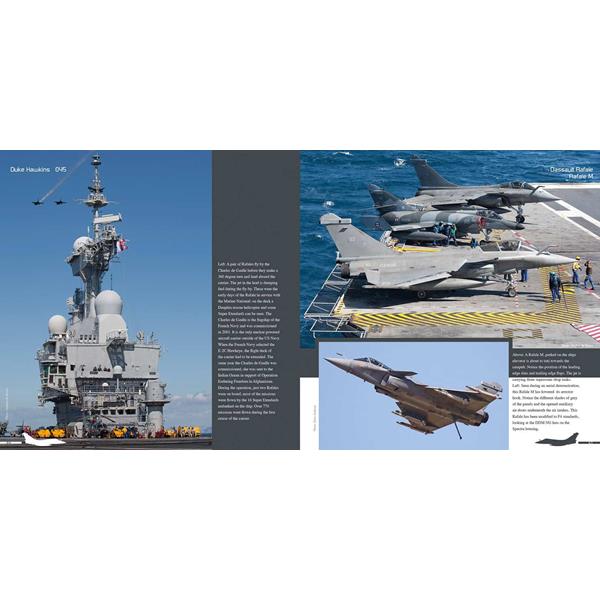
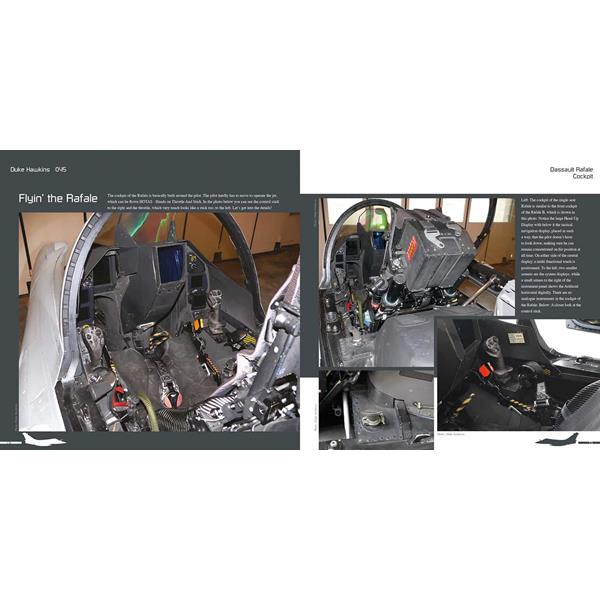
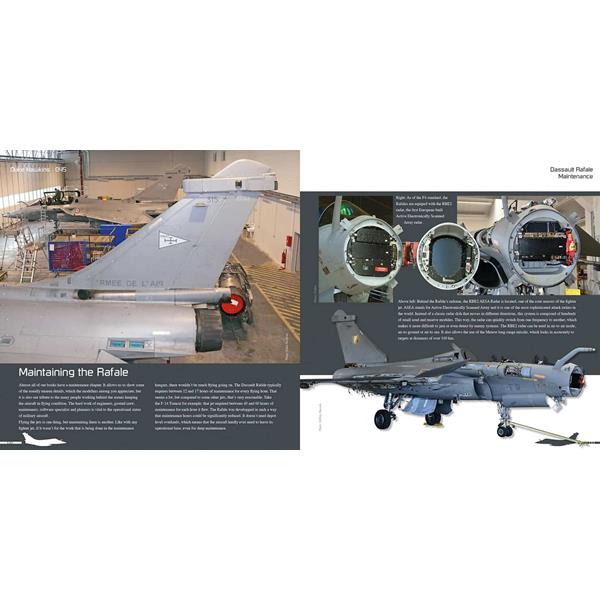
Specialist book on the Dassault Rafale
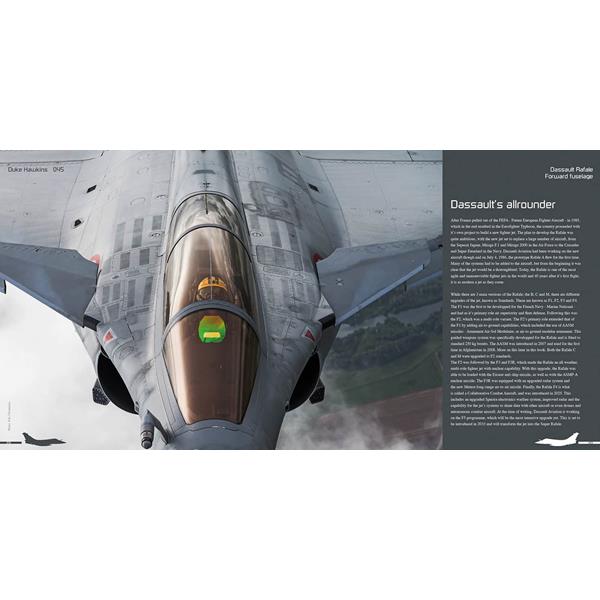
Development began in the 1980s. After the joint European development of the "European Combat Aircraft" program (a precursor to the Eurofighter) was abandoned, Dassault continued developing the Rafale independently. The first prototype, the Rafale A, made its maiden flight on July 4, 1986. Production aircraft are built in two basic configurations: the single-seat Rafale C for the Air Force, and the two-seat Rafale B, as well as the carrier-based Rafale M for the French Navy.
Its aerodynamic design is characterized by a delta-wing configuration with canards. The combination of delta wings and movable canards enables high maneuverability and strong flight performance across a wide speed range. The Rafale features an advanced fly-by-wire flight control system that assists the pilot in controlling the aircraft, which is designed to be aerodynamically unstable.
It is powered by two Snecma M88-2 turbofan engines. Each engine generates approximately 75 kN of thrust with afterburner. This allows the Rafale to reach a top speed of around Mach 1.8. The aircraft also boasts a long range, and its mission endurance can be significantly extended through aerial refueling.
A key feature of the Rafale is its extensive sensor and avionics suite. These include the Thales RBE2 AESA radar on modernized aircraft, the OSF (Optronique Secteur Frontal) electro-optical system, and the SPECTRA integrated electronic protection and countermeasures system. The networking of these systems enables the Rafale to detect, track, and engage targets while simultaneously fusing information from various sensor sources.
Armament is carried on a total of 14 external hardpoints on the Rafale C/B and 13 on the Rafale M. Fixed onboard armament consists of a 30 mm GIAT 30/M791 cannon. Depending on the mission, the aircraft can employ weapons such as MICA air-to-air missiles, Meteor long-range air-to-air missiles, SCALP-EG cruise missiles, AASM Hammer precision-guided bombs, and laser-guided bombs. The French Rafale can also carry the ASMP-A airborne nuclear deterrent missile.
Key Variants
Technical Specifications – Rafale C
- In English
- 196 pages
- Dimensions: 240 mm x 240 mm
- High-quality paper
Development began in the 1980s. After the joint European development of the "European Combat Aircraft" program (a precursor to the Eurofighter) was abandoned, Dassault continued developing the Rafale independently. The first prototype, the Rafale A, made its maiden flight on July 4, 1986. Production aircraft are built in two basic configurations: the single-seat Rafale C for the Air Force, and the two-seat Rafale B, as well as the carrier-based Rafale M for the French Navy.
Its aerodynamic design is characterized by a delta-wing configuration with canards. The combination of delta wings and movable canards enables high maneuverability and strong flight performance across a wide speed range. The Rafale features an advanced fly-by-wire flight control system that assists the pilot in controlling the aircraft, which is designed to be aerodynamically unstable.
It is powered by two Snecma M88-2 turbofan engines. Each engine generates approximately 75 kN of thrust with afterburner. This allows the Rafale to reach a top speed of around Mach 1.8. The aircraft also boasts a long range, and its mission endurance can be significantly extended through aerial refueling.
A key feature of the Rafale is its extensive sensor and avionics suite. These include the Thales RBE2 AESA radar on modernized aircraft, the OSF (Optronique Secteur Frontal) electro-optical system, and the SPECTRA integrated electronic protection and countermeasures system. The networking of these systems enables the Rafale to detect, track, and engage targets while simultaneously fusing information from various sensor sources.
Armament is carried on a total of 14 external hardpoints on the Rafale C/B and 13 on the Rafale M. Fixed onboard armament consists of a 30 mm GIAT 30/M791 cannon. Depending on the mission, the aircraft can employ weapons such as MICA air-to-air missiles, Meteor long-range air-to-air missiles, SCALP-EG cruise missiles, AASM Hammer precision-guided bombs, and laser-guided bombs. The French Rafale can also carry the ASMP-A airborne nuclear deterrent missile.
Key Variants
- Rafale A: Technology demonstrator and prototype; not intended for serial production.
- Rafale B: Two-seat version for the French Air Force, used for training and combat missions, among other roles.
- Rafale C: Single-seat version for the French Air Force.
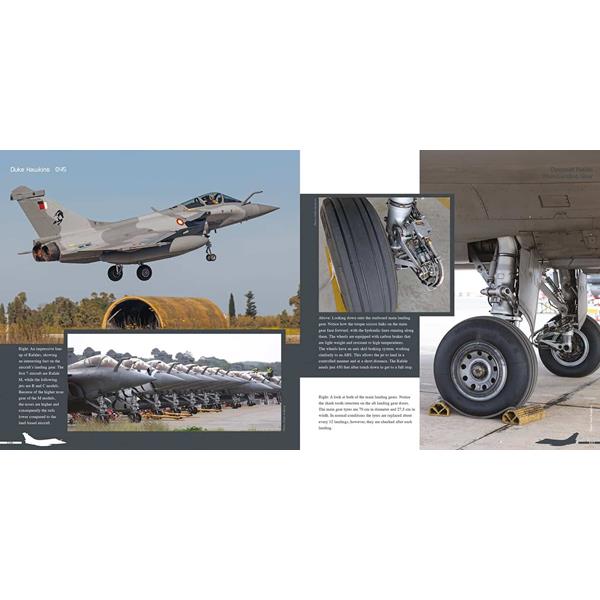
- Rafale M: Single-seat variant for the French Navy, specifically designed for carrier-based operations. Features include reinforced landing gear and airframe, as well as an arresting hook.
Technical Specifications – Rafale C
- Crew: 1
- Propulsion: 2 × Snecma M88-2
- Thrust with afterburner: approx. 75 kN each
- Maximum speed: approx. Mach 1.8
- Length: approx. 15.3 m
- Wingspan: approx. 10.9 m
- Height: approx. 5.3 m
- Max. takeoff weight: approx. 24.5 t
- Armament: up to approx. 9.5 t of external stores
- Internal cannon: 30 mm GIAT 30/M791
Customer Reviews 0
Schreiben Sie jetzt Ihre persönliche Erfahrung mit diesem Artikel und helfen Sie anderen bei deren Kaufentscheidung